Watering Systems Built Around Plant Requirements
Irrigation Solutions in Weatherford for properties where inconsistent watering leads to stressed lawns and uneven plant growth
Dry spots on turf and wilting shrubs often indicate that manual watering or improperly designed systems fail to deliver consistent moisture where plants need it. B&B Metro Landscape and Irrigation designs irrigation solutions in Weatherford that account for sun exposure patterns, soil drainage rates, and the specific water requirements of different planting zones. An efficient system delivers the right amount of water to lawns, flower beds, shrubs, and trees without overwatering areas that drain slowly or underwatering zones with higher evaporation rates.
Irrigation planning begins with evaluating property layout, identifying microclimates, and grouping plants with similar water needs into zones controlled by separate valves. Sprinkler head placement, flow rates, and coverage angles are calculated to prevent dry patches and runoff. The system is programmed to adjust watering schedules based on seasonal changes, reducing water waste during cooler months while maintaining healthy growth during peak summer heat.
Request an irrigation consultation to assess your property's watering needs and develop a customized system plan.
How Irrigation Planning Addresses Coverage Gaps
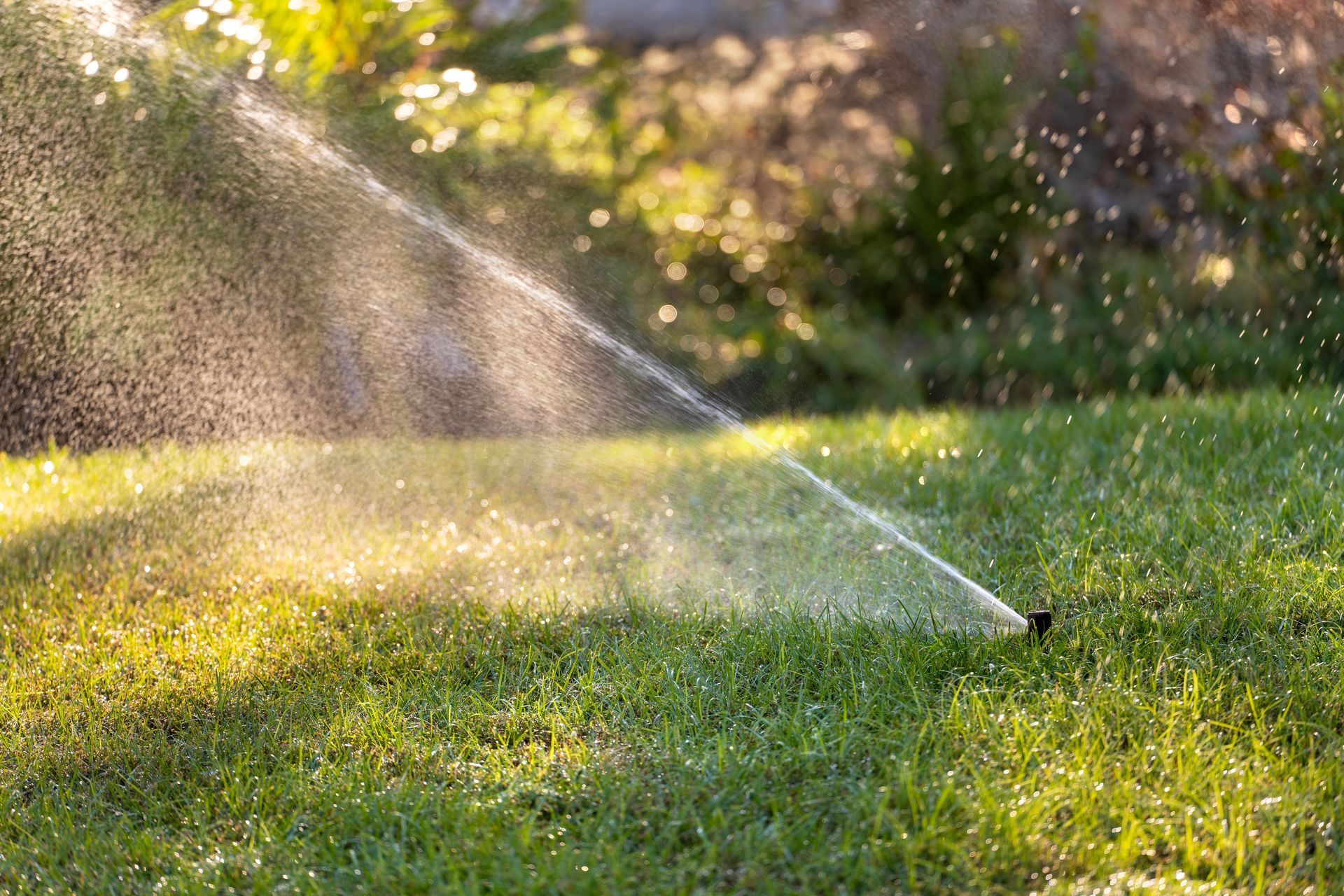
Effective irrigation systems use different sprinkler types for different landscape areas—rotating heads for large turf zones, fixed spray heads for narrow beds, and drip lines for shrubs and trees that require deep root watering. Valve placement is determined by water pressure availability and the number of heads each zone can support without reducing coverage. Controller programming allows separate schedules for each zone, so shaded areas receive less frequent watering than sunny slopes.
After installation, you'll see that grass maintains uniform color across the entire lawn instead of showing brown patches in areas the system missed. Flower beds stay consistently moist without standing water or dry edges. Shrubs develop deeper root systems because drip irrigation delivers water directly to the root zone rather than wetting foliage and topsoil only.
The system includes rain sensors that pause watering cycles during storms and resume scheduled operation once conditions dry. Backflow prevention devices protect the water supply from contamination. Winterization services prepare the system for freezing temperatures by draining lines and preventing damage from ice expansion.
Answers to Frequent Service Questions
Property owners considering irrigation upgrades typically want to know how systems are tailored to specific landscape conditions and what ongoing adjustments are needed.
B&B Metro Landscape and Irrigation provides irrigation solutions based on each property's layout, plant types, and water availability. Schedule a site assessment to review system options and coverage planning for your landscape.
What determines how many zones an irrigation system needs?
Zone count depends on water pressure, property size, and the variety of landscape areas requiring different watering schedules. A typical residential system in Weatherford uses four to eight zones to separate front and back lawns, planting beds, and shrub areas.
How does the system adjust for seasonal weather changes?
Controllers can be programmed with seasonal adjust features that reduce watering duration in spring and fall while increasing it during summer. Some systems include smart controllers that modify schedules automatically based on local weather data.
Why do some areas need drip irrigation instead of sprinklers?
Drip irrigation delivers water slowly and directly to root zones, which reduces evaporation and prevents fungal growth on foliage. It's more efficient for shrubs, trees, and densely planted beds where overhead spray would waste water and promote disease.
Can irrigation systems handle properties with slopes?
Yes, systems designed for sloped terrain use low-precipitation-rate heads that apply water slowly enough for soil absorption without runoff. Valve placement and cycle times are adjusted to prevent erosion on inclines.
When should irrigation systems be activated after installation?
Systems are typically tested immediately after installation to verify coverage and adjust head angles. Full seasonal operation begins once the system is programmed and any remaining landscaping work is completed to avoid damaging new components.