
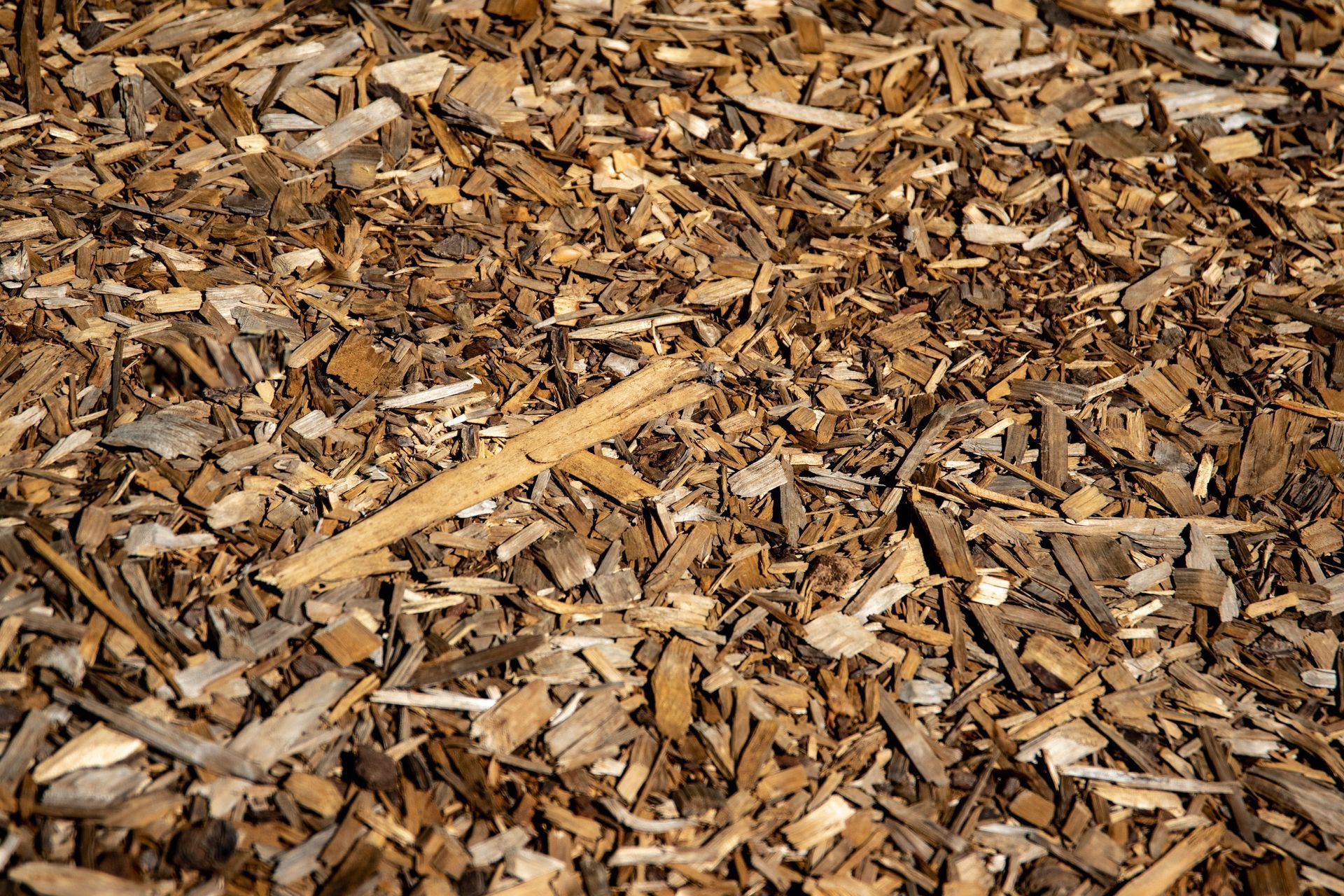
Bulk Materials Delivered for Project Efficiency
Sand, Mulch, and Rock Delivery in Weatherford for properties needing decorative ground cover, construction materials, or landscape bed improvements
Landscape and construction projects require bulk materials in quantities impractical for bag purchase or consumer vehicle transport. Properties need sand for paver base preparation, construction fill, or children's play areas; mulch for moisture retention in planting beds and visual consistency across landscape areas; and rock for decorative applications ranging from xeriscaping to drainage channels. B&B Metro Landscape and Irrigation delivers these materials directly to homes, businesses, or active job sites with scheduling that keeps projects moving and eliminates delays caused by material shortages or multiple supplier trips.
Material delivery handles projects ranging from small residential bed refreshes needing a few cubic yards of mulch to larger commercial installations requiring rock for extensive landscape areas or sand for grading and construction applications. Efficient delivery means materials arrive where crews can access them easily, volumes match project specifications to minimize waste or shortages, and scheduling aligns with installation timelines rather than forcing work delays around supplier availability.
Request material delivery to verify availability and schedule drop-off that coordinates with your project needs.
What Proper Material Selection Accomplishes
Mulch application in planting beds reduces water evaporation during Weatherford summers, suppresses weed growth that competes with ornamental plantings, moderates soil temperature fluctuations that stress plant roots, and provides visual uniformity across landscape areas. Rock serves decorative functions in xeriscaping or contemporary designs, creates functional drainage pathways where water concentrates during storms, and offers permanent ground cover in high-traffic areas where mulch breaks down too quickly. Sand provides proper base material for pavers and walkways, fills joints in hardscape installations, and addresses construction needs where grading or leveling is required.
After materials are installed at proper depths, planting beds maintain moisture longer between watering cycles, weed pressure decreases significantly compared to bare soil, and landscape appearance stays consistent rather than showing erosion or thin coverage. Rock installations define areas permanently without annual replacement, create contrast in planting designs, and handle foot traffic without displacement. Sand bases under pavers or walkways prevent settling and shifting that creates uneven surfaces or drainage problems over time.
Material selection depends on project function, aesthetic preferences, and maintenance expectations. Mulch requires replenishment every one to two years as it decomposes and provides soil benefits but needs replacement labor and cost. Rock offers permanent installation but lacks the soil improvement benefits of organic mulch and costs more initially. Sand applications are typically functional rather than decorative, supporting construction and hardscape needs where proper base material prevents future failures.
What Property Owners Usually Ask
Material delivery questions focus on calculating quantities accurately, understanding differences between material types, and managing delivery logistics for properties with access challenges or specific placement requirements.
Reliable material delivery from B&B Metro Landscape and Irrigation keeps landscape and construction projects on schedule with quality sand, mulch, and rock delivered directly to your site. Request delivery for your next project to confirm material options and coordinate scheduling with installation timelines.
How much mulch is needed to properly cover planting beds?
Coverage depends on bed area and desired depth, typically two to four inches for moisture retention and weed suppression. One cubic yard covers approximately 100 square feet at three inches deep, so a 300-square-foot bed area requires about three cubic yards of mulch for adequate coverage that lasts through the growing season.
What differentiates decorative rock types for landscape applications?
Rock varies by size, color, and functional use, with smaller gravels suited for pathways and drainage areas, medium river rock popular for decorative beds and xeriscaping, and larger boulders used for accents or erosion control. Color options range from earth tones blending naturally to brighter whites or reds creating visual contrast in planting designs.
When should mulch be refreshed to maintain landscape appearance and function?
Annual mulch application in spring provides fresh coverage before summer heat and weed growth intensify. Weatherford properties often need additional mulch after one year as material decomposes and thins, especially in beds receiving afternoon sun where breakdown accelerates due to heat exposure and UV degradation.
How does sand quality affect paver and hardscape installations?
Proper base sand provides stable support without organic content that decomposes and creates voids under pavers. Joint sand for filling spaces between pavers should be fine enough to sweep into gaps but coarse enough to resist washing out during rain. Using incorrect sand types leads to settling, shifting, and premature hardscape failure.
What delivery considerations apply to residential properties with limited truck access?
Delivery vehicles need adequate street width, overhead clearance free of low tree branches or power lines, and turnaround space to exit safely. Materials are typically dumped in driveways or street-adjacent areas, requiring manual wheelbarrow transport to backyard beds or areas beyond truck reach.