
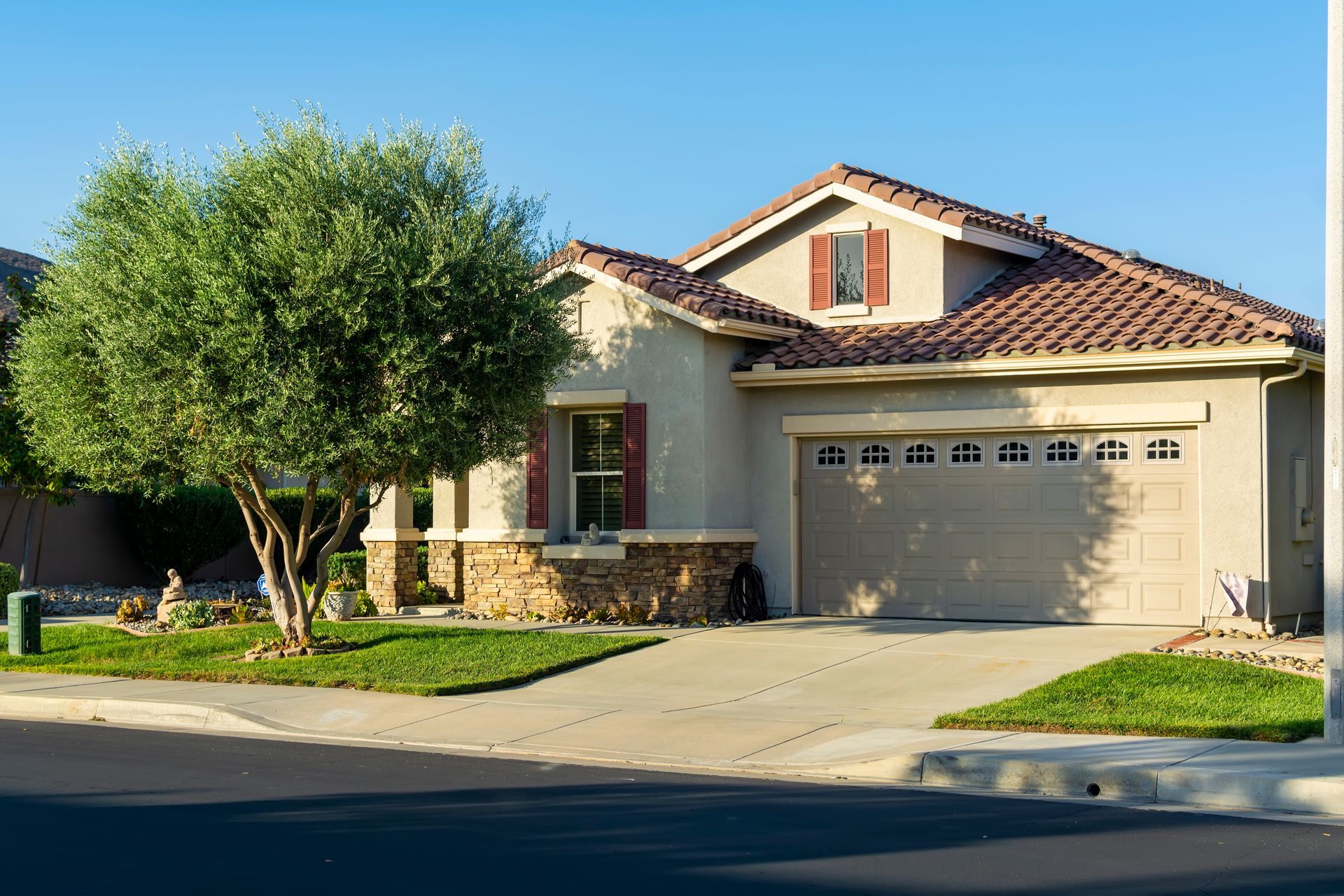
Outdoor Spaces Built for Daily Living
Residential Landscape Services in Weatherford and surrounding areas for properties needing functional yard improvements and plantings that survive North Texas summers
North Texas landscapes face intense summer heat, inconsistent rainfall, and clay soil that either drains too slowly or develops deep cracks during drought. B&B Metro Landscape and Irrigation handles residential landscape installations in Weatherford with materials and plant selections proven to handle these conditions. Property owners typically request this service when buying a new home with bare dirt, replacing failed plantings from previous installations, or redesigning yards that no longer match how the family uses outdoor space.
Residential landscape services include new installations with plant placement based on sun exposure and irrigation coverage, bed improvements that address drainage or soil quality, decorative materials like mulch or rock that reduce maintenance needs, and enhancements such as borders or curbing that define planting areas. Each project starts with reviewing the property layout, understanding how you use different yard zones, and identifying problem areas like poor drainage or areas where nothing grows.
Schedule a residential landscape consultation to review your property's layout and identify specific improvements.
What Proper Installation Requires
Installation begins with soil preparation that addresses Weatherford's heavy clay, which often needs amendment or replacement in planting beds to prevent root suffocation and water pooling. Plant selection considers mature size, water requirements during establishment, and heat tolerance for areas receiving afternoon sun. Decorative materials are installed at depths that suppress weeds without smothering plant roots, and borders are set to contain materials while allowing mower access.
After installation, you see defined planting beds with consistent material coverage, plants positioned with adequate spacing for growth, and yard zones that serve specific purposes rather than unused grass. Walkways connect functional areas without creating mud paths, and water moves away from foundations instead of pooling near the house. Plantings establish faster when soil preparation and irrigation planning happen before installation rather than afterward.
Residential projects vary widely based on property size, existing conditions, and whether the work involves full installation or targeted improvements. Some projects focus exclusively on front yard curb appeal, while others redesign backyard spaces for entertaining or play areas. B&B Metro Landscape and Irrigation tailors solutions to match maintenance preferences, with options ranging from low-water native plantings to more traditional landscape beds requiring regular care.
What Homeowners Usually Ask
Residential landscape projects raise questions about timing, plant survival, and how installations adapt to individual properties. These answers address common concerns about the work involved and what happens after installation.
B&B Metro Landscape and Irrigation plans residential landscapes around how your property is actually used, from play areas that need durable plantings to low-maintenance front yards that improve curb appeal. Request a consultation to review site-specific conditions and develop a landscape plan that matches your property goals.
What determines which plants survive in Weatherford landscapes?
Plant selection depends on sun exposure throughout the day, available irrigation during the first growing season, and soil drainage after amendment. Native and adapted species handle heat stress better than plants requiring consistent moisture, and placement near foundation walls or under roof lines affects water availability even with irrigation systems installed.
How is the property prepared before planting begins?
Existing grass or weeds are removed from bed areas, soil is tested for drainage and amended if clay content prevents root penetration, and grades are adjusted to direct water away from structures. Irrigation lines are often installed or adjusted before final soil preparation to avoid disturbing pipes after planting.
When should landscape installation happen to improve plant establishment?
Fall installation from September through November allows root development during cooler months before summer heat arrives. Spring installation works but requires more frequent watering during establishment, and summer installation significantly increases water needs and stress on new plantings.
What maintenance does a new landscape require during the first year?
Newly installed plants need deep watering two to three times weekly during the first growing season, with frequency adjusted based on rainfall and temperature. Mulch should be replenished as it decomposes, and borders may need minor adjustments as soil settles.
How does landscape design affect long-term maintenance requirements?
Plant spacing, material selection, and border installation determine how much time you spend on upkeep. Designs with properly spaced plants reduce pruning needs, quality mulch or rock suppresses weeds better than thin coverage, and defined borders prevent grass encroachment into beds.