
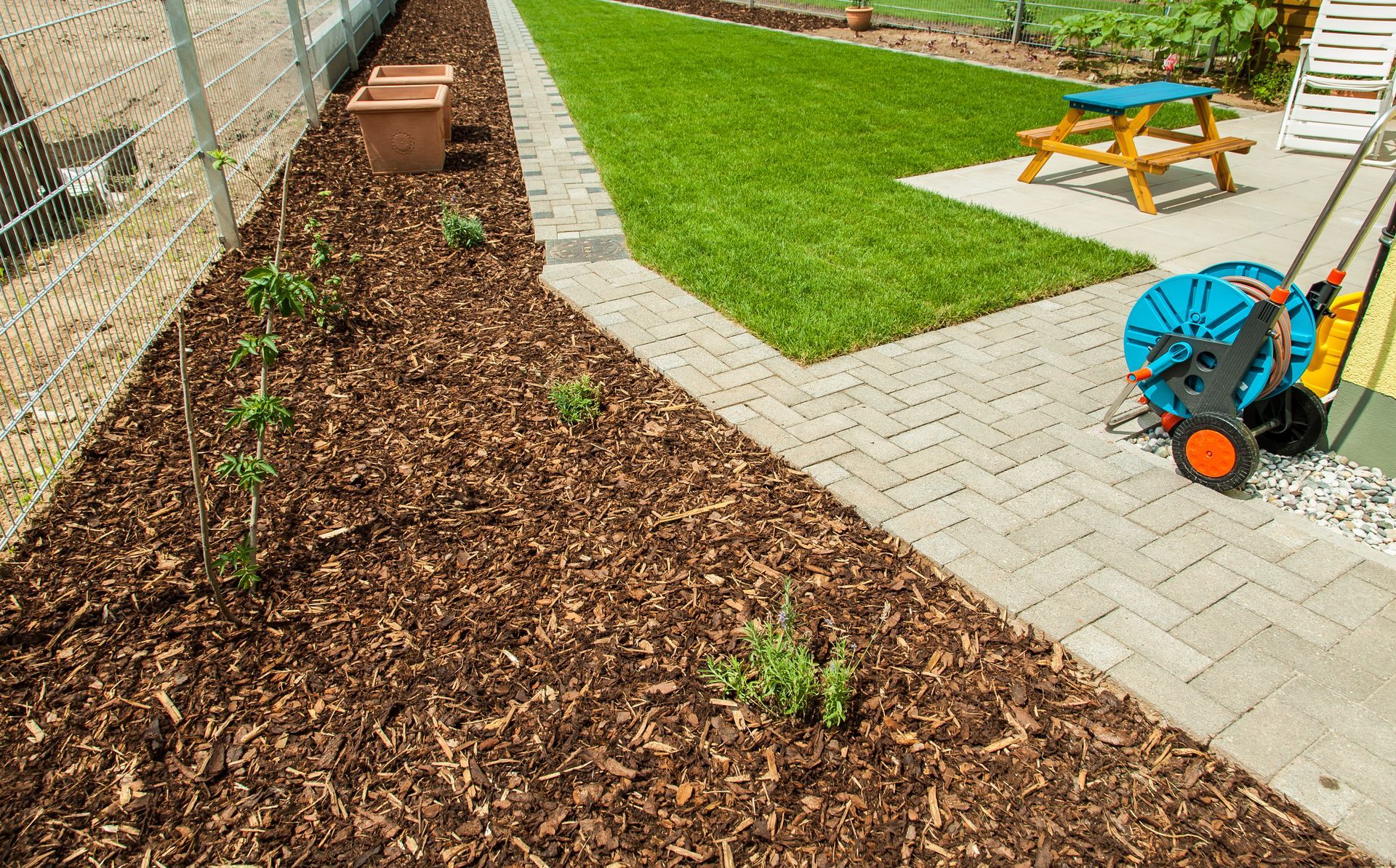
Foundation Material That Determines Plant Success
Landscape Soil Delivery in Weatherford for properties where clay content prevents root growth and adequate drainage
Weatherford's native clay soil creates challenging growing conditions because it compacts easily, drains poorly when saturated, and develops surface cracks during dry periods that damage shallow roots. B&B Metro Landscape and Irrigation delivers landscape soil formulated to support healthy lawns, established trees, vegetable gardens, and ornamental planting beds where native soil alone causes repeated plant failures. Delivery service keeps residential and commercial projects moving without delays waiting for material availability or multiple trips to purchase small quantities insufficient for bed preparation or lawn establishment.
Quality landscape soil improves drainage in planting beds, provides organic matter that clay soil lacks, and creates an environment where roots penetrate rather than circling near the surface. Bulk delivery handles projects of various sizes, from single planting beds needing a few cubic yards to complete property installations requiring larger volumes. Prompt delivery scheduling coordinates with project timelines, ensuring soil arrives when crews are ready to spread and install rather than sitting in piles exposed to rain or erosion.
Request soil delivery to confirm material availability and schedule drop-off that matches your project timeline.
How Quality Soil Addresses Clay Limitations
Landscape soil delivery provides material blended for specific applications, whether lawn establishment needing fine texture for seed contact, planting beds requiring drainage and organic content, or raised garden beds where complete soil replacement is more practical than amending heavy clay. Volume calculations account for bed depth, area coverage, and material settling after installation. Delivery directly to project sites eliminates the need for homeowners or contractors to transport bulk materials in inadequate vehicles.
After quality soil is installed, planting beds drain faster following rain instead of staying saturated for days, roots establish more quickly during the first growing season, and plants show healthier growth because nutrients are accessible rather than locked in compacted clay. Lawns seeded or sodded over prepared soil develop deeper root systems that handle summer heat stress better than grass growing in shallow topsoil over clay hardpan. Garden beds produce better yields because roots access water and nutrients throughout the soil profile rather than struggling in the top few inches.
Soil needs vary by project type and existing site conditions. Some properties require complete soil replacement in planting beds where clay is severely compacted, while others benefit from blending delivered soil with existing material to improve overall quality. Lawn areas may need topdressing with a few inches of quality soil before seeding, or full-depth preparation for sod installation on new construction sites with subsoil exposed during grading.
Questions Before Starting Your Project
Soil delivery questions typically address how much material is needed, what differentiates landscape soil from topsoil or fill dirt, and how delivery logistics work for residential and commercial sites.
B&B Metro Landscape and Irrigation coordinates landscape soil delivery with project schedules and site access requirements, ensuring material arrives when needed without delays or complications. Contact the team to request delivery for your specific landscape or lawn project.
How is the correct soil volume calculated for landscape projects?
Volume depends on bed area measured in square feet and desired depth in inches, typically six to twelve inches for planting beds depending on whether soil is blended with existing material or used for complete replacement. Lawn areas often require two to four inches for topdressing or six inches for full preparation before sod installation.
What distinguishes quality landscape soil from standard fill dirt?
Landscape soil contains organic matter that improves drainage and provides nutrients, has texture suitable for plant roots rather than pure clay or sand, and is screened to remove rocks and debris that interfere with planting. Fill dirt is used for grading and does not support plant growth without significant amendment.
When should soil be delivered relative to installation schedules?
Delivery works best one to two days before installation begins, allowing time for spreading without leaving piles exposed to heavy rain that causes erosion or compaction. Weatherford properties should avoid deliveries immediately before forecast storms that wash material into streets or drainage areas.
How does delivery work for properties with limited access or specific placement needs?
Delivery trucks require adequate width for street access and turnaround space, typically dumping material in driveways or accessible yard areas. Sites with narrow gates, overhead obstructions, or soft ground may need alternative placement locations with manual material transport to final bed areas.
What preparation is needed before landscape soil arrives?
Clear the delivery area of vehicles, equipment, or obstacles that prevent truck access, mark underground utilities or irrigation lines that could be damaged by heavy vehicles, and verify that the designated dump location allows easy spreading to final bed areas without excessive hauling distance.